How does SIM care for its workers and what difference does it make?

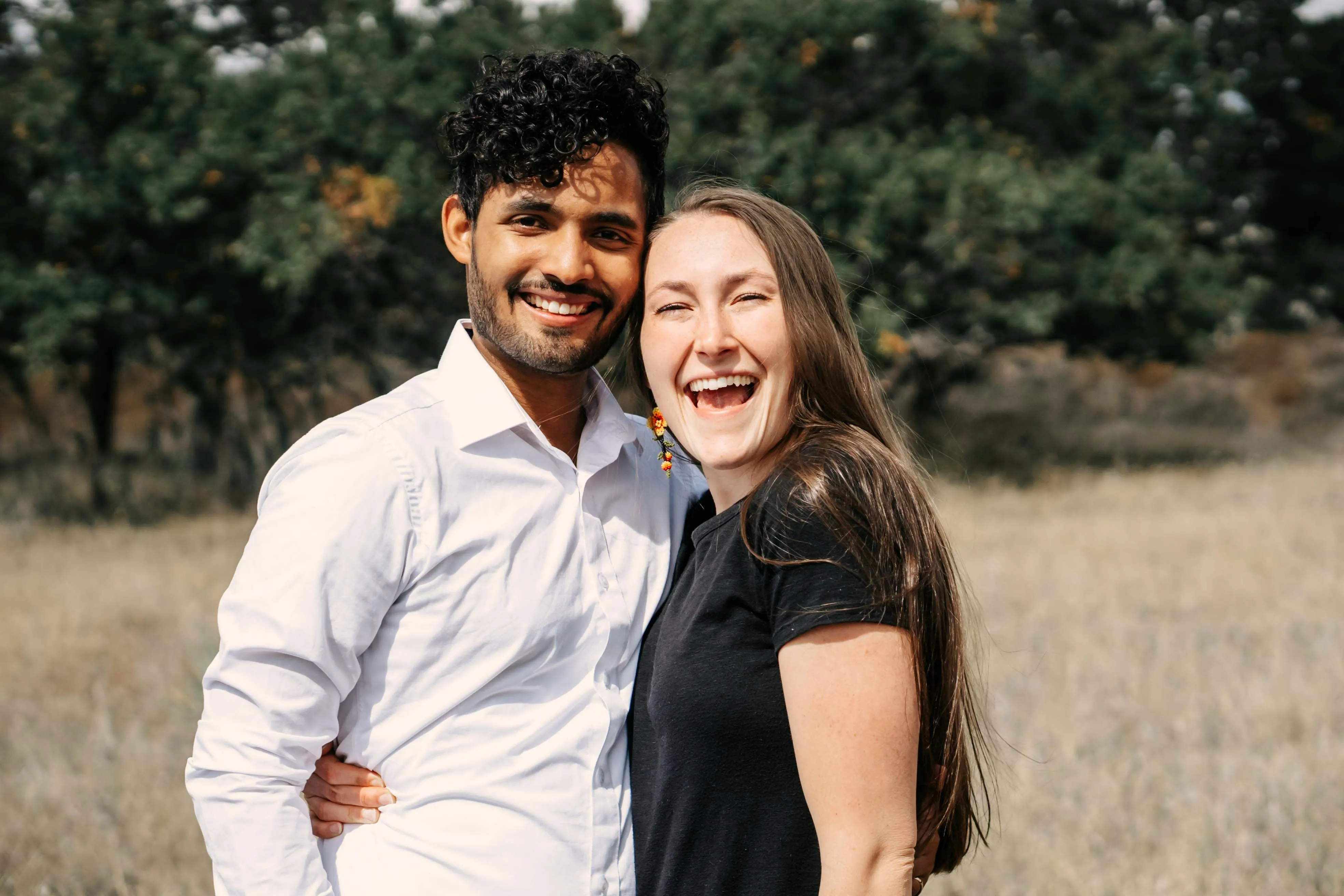
Kate and Chris' ministry with SIM will begin next week. But SIM's care for them began long before they boarded the plane.
Before they leave: preparing people, not just sending them
First, SIM takes time to get to know Kate and Chris. Are they both called to this work? Do their faith and character show that they are ready for it?
After they are accepted, they receive medical, psychological, and spiritual assessments. These help identify areas where they may need support during their time in the field.
Kate and Chris also receive training for the realities of cross-cultural ministry. They learn language and culture and prepare to serve with greater sensitivity in their new context.
Rory and Chloe are part of that preparation too. They participate in a camp to help them adjust to their new context. Kate and Chris also receive help finding education options that fit their children's needs.
The goal is not to predict everything that could happen, but to help the whole family better understand themselves and the challenges ahead.
On the field: care means being present
Now Kate and Chris are on the field. Life is busy. They are learning, serving, building relationships, and figuring out how to live in a new culture.
Care continues.
Every three months, Mike checks in with Chris, and Emilia checks in with Kate. Every two years, Martin, the field director, visits them.
Those regular conversations matter because care is not only about responding to a crisis. It is also about knowing people well enough to notice when something has changed.
Care is also a shared responsibility. The Stronger Together Plan helps clarify who is responsible for what. Between Kate, Chris, Susan on the mission committee of their sending church and Myriam at the care department in SIM, everyone has a role to make sure no important need falls through the cracks.
Meaningful care is built on relationships, trust, and regular communication. At some point they might need practical help, medical or psychological support. They might need one of their mentors to ask a question they have not thought of asking themselves.
And when a mentor is not enough, SIM can connect them with counsellors, psychologists, debriefers and other specialists. SIM works with organizations like the Missionary Health Institute to support missionaries through difficult seasons.
When life gets hard
Eventually, Kate and Chris' family might face an unexpected challenge.
A serious illness. The loss of a loved one. A crisis involving their children. A traumatic event. A season when they need help carrying everything they have been carrying.
When that happens, caring for Kate and Chris becomes more than a regular check-in.
SIM provides practical support, psychological care, medical assistance, and evacuation when necessary. A network of people can help their family understand what is happening, make decisions, and figure out what comes next.
And even if Kate and Chris choose to leave the field, care will not stop there. Coming home can be very difficult, especially for children. Counsellors are available to ease the transition. Other families reach out and share their experiences. Camps for Third-Culture Kids will help Rory and Chloe understand their feelings with other children that lived in similar situations.
And when they retire, still there will be people checking on Kate and Chris, making sure they can adjust to their new context and have everything they need, are able to navigate the healthcare system, etc.
Kate and Chris' story is still being written. We cannot know what they will face or what God will do through their years of service. But we can make sure that when trials come, they have people to turn to.
Kate and Chris have arrived on the mission field. And they are not alone.